
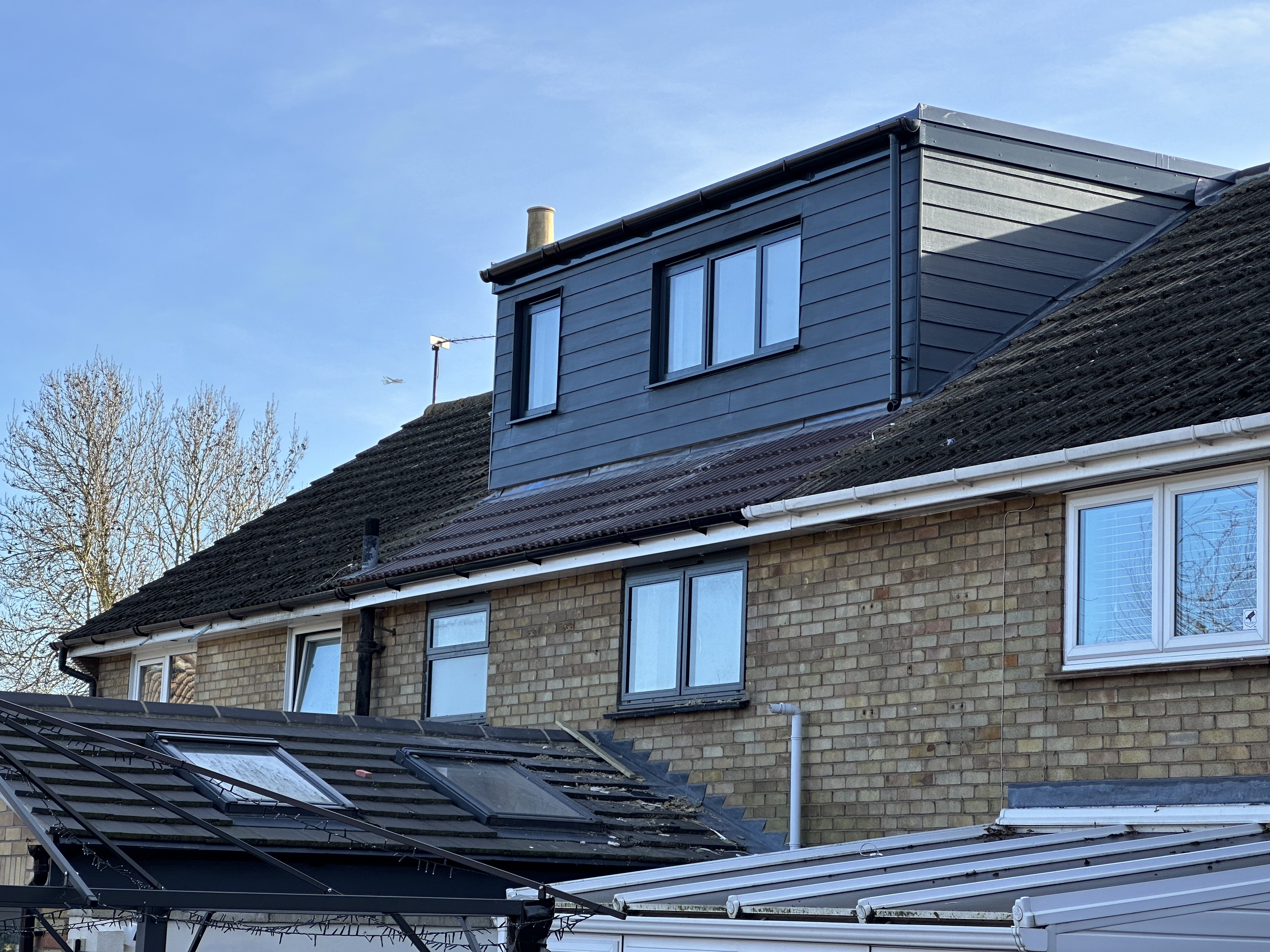
A well-built loft conversion is one of the most reliable ways to add value to a Cambridge home, often adding around 15 to 20 percent when it creates an extra bedroom and bathroom. In a high-value market like Cambridge, that uplift can comfortably exceed the cost of the work. This guide explains how much value a loft adds, what adds the most, and when it may not pay off.
For many homeowners the practical space is reason enough, but a loft conversion in Cambridge is also a sound investment. Because local prices are high and land is scarce, adding a bedroom in the roof is often the best-value way to grow a home without moving.
Industry research consistently puts the uplift from a good loft conversion at around 15 to 20 percent of a property value, with the biggest gains coming when the conversion adds a bedroom, especially a double with an en-suite. In Cambridge, where average house prices are well above the national figure, that percentage translates into a large cash sum. A conversion costing in the region of £55,000 can add significantly more than that to the right property, particularly where it takes a home from two bedrooms to three, or three to four, which are strong points in the local market.
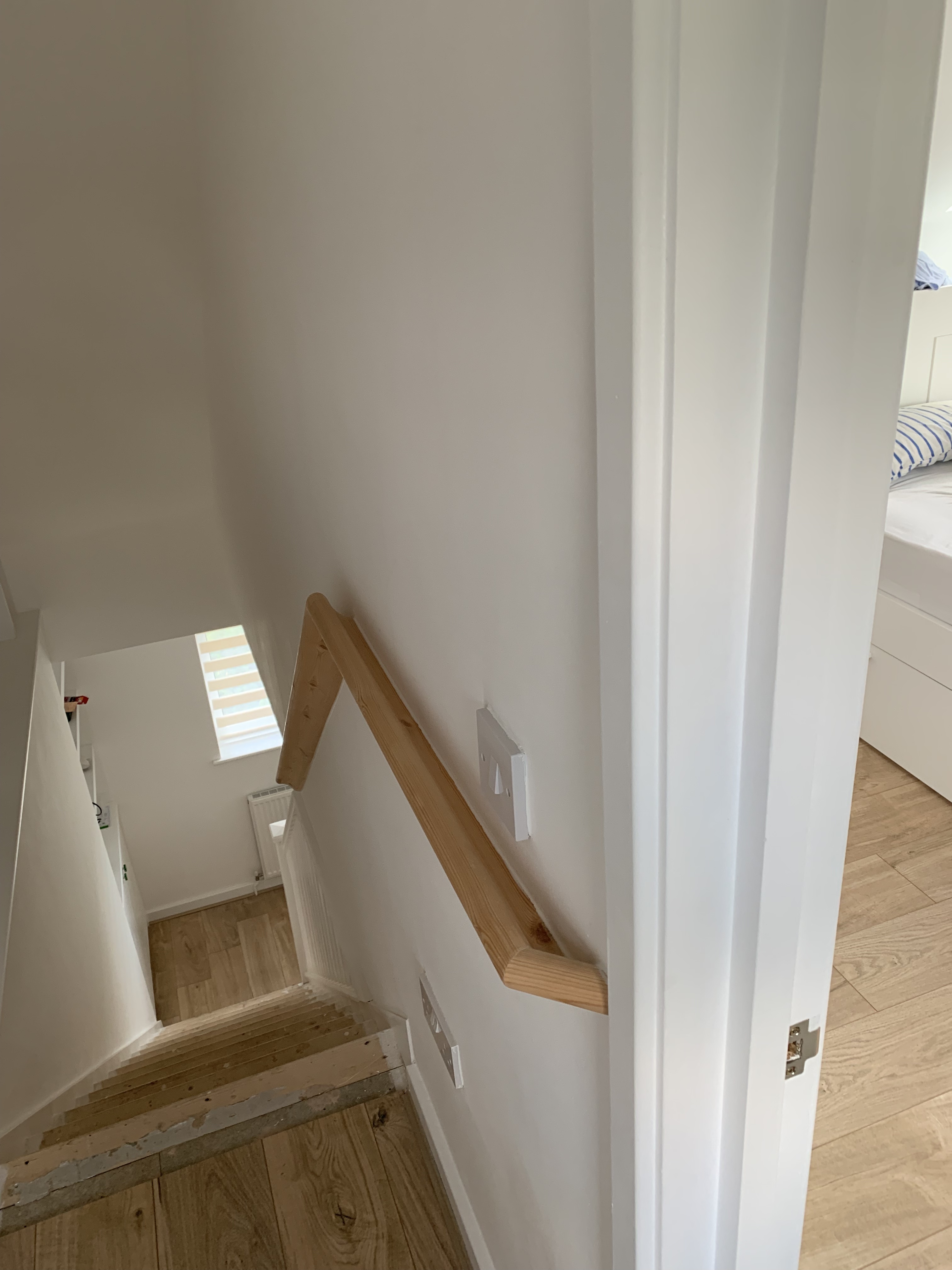
Take a three-bedroom semi in a popular Cambridge suburb valued at around £500,000. A dormer loft conversion adding a fourth bedroom with an en-suite might cost in the region of £55,000 to £60,000. A 15 percent uplift would add around £75,000 to the value, and four-bedroom family homes in these areas are in strong demand. Even on conservative figures, the conversion pays for itself and adds usable space the family enjoys in the meantime.
Thinking about a loft conversion in Cambridge? Get a free, no-obligation quote from the Camacre team.
There are limits. Every street has a ceiling price, and if a conversion pushes a home well above the most expensive properties nearby, you may not recover the full cost. Over-developing, such as losing a bedroom on the floor below to fit the staircase, or creating a room with poor head height, can also work against you. The key is a conversion that adds genuine, well-proportioned space in keeping with the house and the area. That is a judgement we are happy to give honestly at your consultation.
Homeowners often weigh a loft conversion against a ground-floor extension. Both add value, but they do different jobs. An extension typically adds living space, a bigger kitchen or family room, while a loft usually adds a bedroom and bathroom. In resale terms the number of bedrooms is one of the strongest drivers of price, which is why a loft that takes a home from three bedrooms to four tends to give a strong return in Cambridge. A loft is also often better value per square metre, because the roof and footprint already exist, and it leaves the garden untouched, which many Cambridge buyers value highly. The best choice depends on what your home is missing: if it is short on bedrooms, the loft usually wins on value; if the ground floor feels cramped, an extension may serve you better. Many of our clients eventually do both as part of a wider plan.
To maximise both value and enjoyment, focus on a genuine extra bedroom, good light, an en-suite where space allows, and a finish that matches the rest of the home. It also pays to get the type right for your roof and to keep the paperwork in order, including the building-regulation completion certificate. For more, see our guides on cost, types of loft conversion and whether your loft is suitable.
A good loft conversion that adds a bedroom typically adds around 15 to 20 percent to a property value. In Cambridge, where prices are high, that often exceeds the cost of the work.
Both add value. A loft conversion is often better value per square metre because it uses existing roof space, and it adds a bedroom, which is where much of the value sits. The best option depends on your home and what space you need.
A genuine double bedroom with good head height, an en-suite bathroom, plenty of natural light and a proper fixed staircase. A finish that matches the rest of the house also helps.
It can if it over-develops the home beyond the street ceiling price, or if fitting the staircase means losing a bedroom below, or the new room has poor head height. Good design avoids these pitfalls.
Yes. A building-regulation completion certificate is important. Buyers and lenders will ask for it, and a converted loft without one can be hard to sell or remortgage.
Camacre designs and builds dormer, hip-to-gable, mansard and Velux loft conversions across Cambridge and Cambridgeshire, all with one accountable team.

Megha specialises in classic contemporary residential design projects. She studied at Inchbald school of design. Her work is supported in the attention she pays to detail, her strong design skills and experience of growing up in diverse cultures.
Clients also benefit from her enjoyable character and reliability.

Amy a contemporary interior designer is currently making her mark in London. Having acquired skills carrying out freelance work since passing with a distinction from the prestigious KLC School of Design,
She is confidently making a worthwhile contribution to our future interior design projects.
 Giulia
Giulia is our Italian architect and engineer, highly qualified in interior design, specializing in high-end projects for international clients and with a strong attention to bespoke details.
She is passionate and loves creating interiors that reflect people’s personality.
Camacre
Cambridge Office
Compass House, Vision Park,London Office
8 Shepherd Market,Get in Touch